

Mix-value counter or plain counter: what is the difference?
Both count 1,000 notes a minute. The difference is what you have to do before you count, and what the screen tells you after.
A plain counter counts pieces
You sort the notes by denomination, count each pile, then multiply and add up the totals yourself. Semi-value counters such as the Phoenix MG-06 and MG-10 help with batches and adding, but the notes still need sorting first.
This is enough when your notes already come sorted, or when you count one denomination at a time.
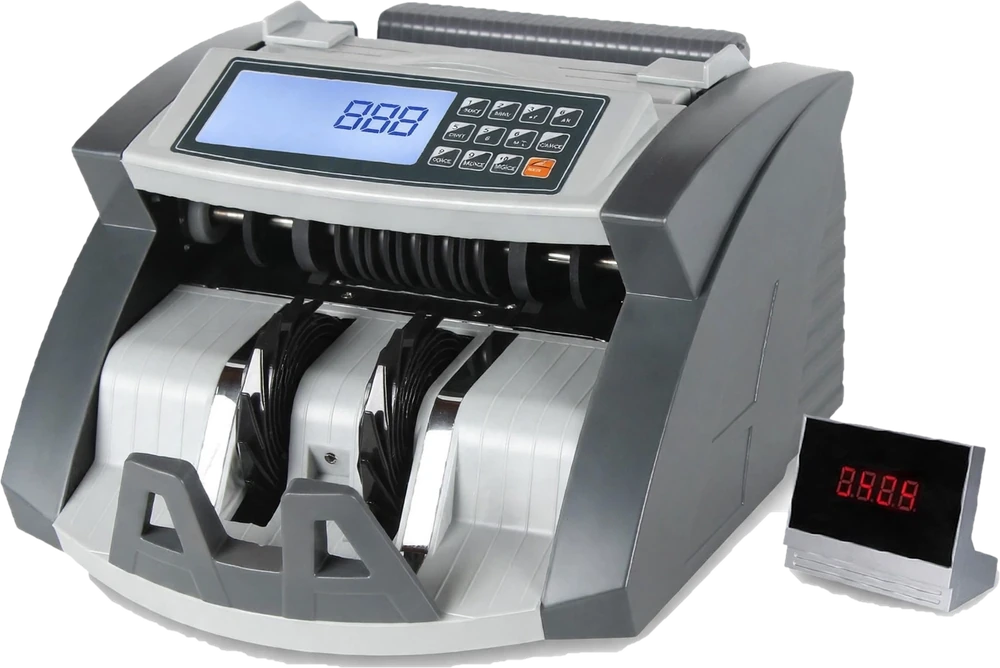
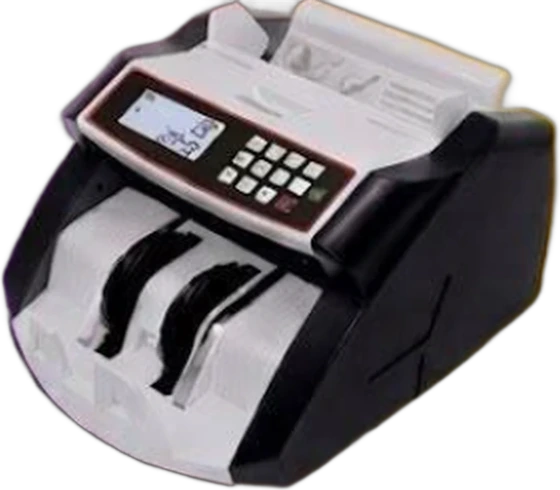
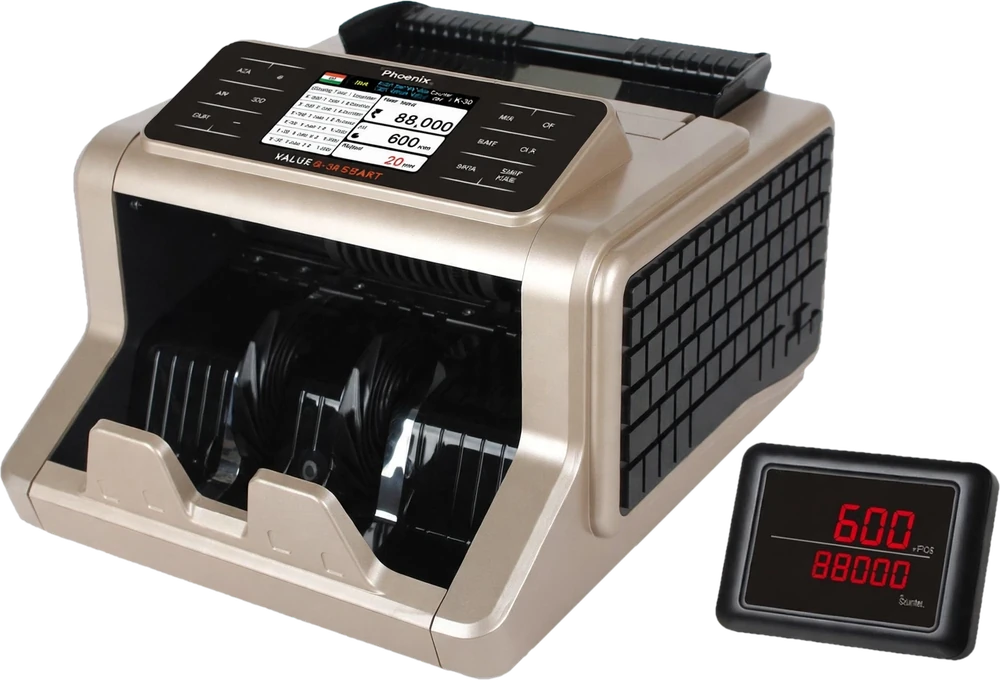
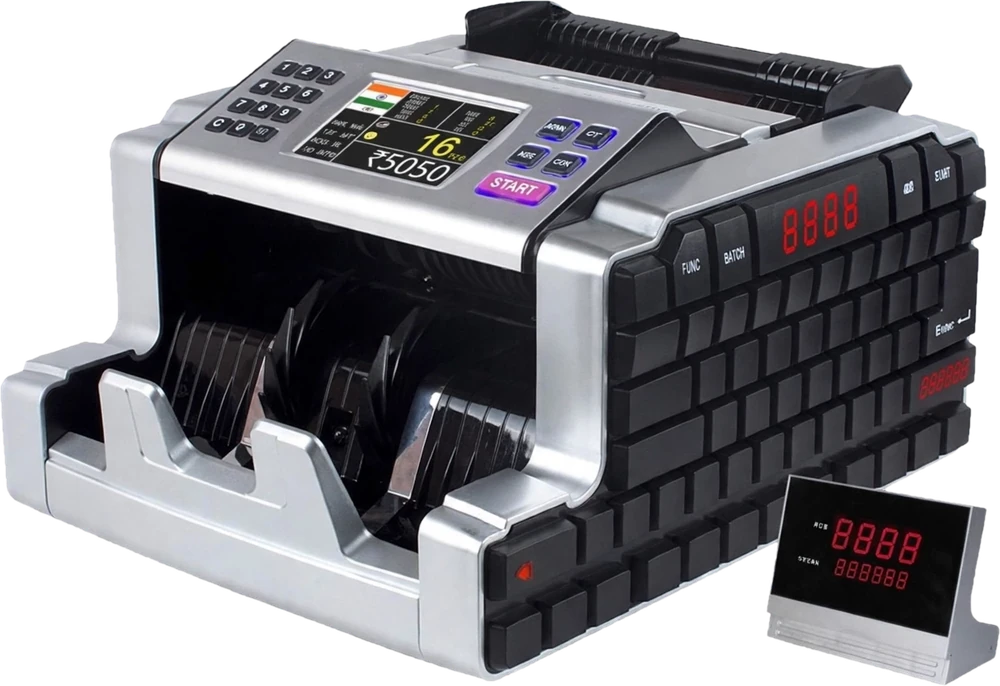
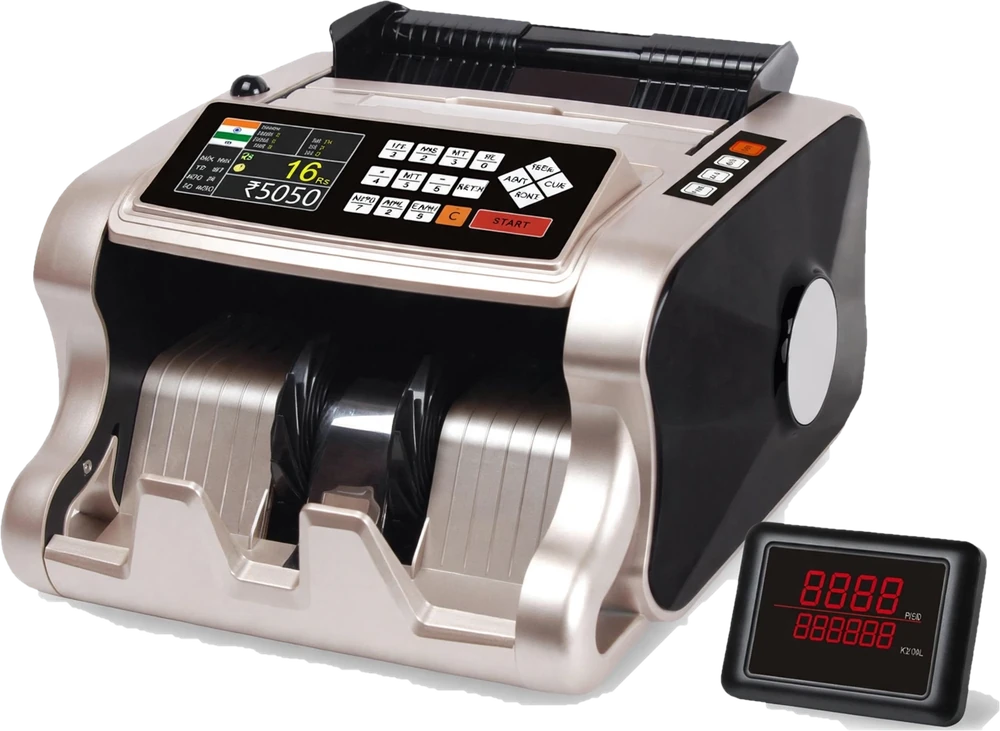
A mix-value counter reads the total
You put in the mixed stack as it is. The screen shows the total value. The Phoenix K-30 Smart and K2030 also show the number of notes and how many of each denomination.
This saves the sorting and the adding up, which is where most counting mistakes happen at the end of a long day.
Side by side
| Plain or semi-value counter | Mix-value counter | |
|---|---|---|
| Mixed notes in one go | No, sort first | Yes |
| Total value on screen | After you sort and add | Yes, straight away |
| Count of each denomination | No | Yes on K-30 Smart and K2030 |
| Note checks | MG-06: UV, MG, MT, IR, DD. MG-10: UV, MG | UV, MG, MT, IR, 3D, colour |
| Good for | Sorted cash, one denomination at a time | Till closing, collections, big cash sales |
Watch it in 20 seconds
Questions
- Which one is right for a jewellery shop or a chit fund?
- Customers there pay in mixed notes, so a mix-value counter saves the most time.
- Can I try both at the shop?
- Yes. Visit us in Arumbakkam, Chennai, Monday to Saturday, 9 am to 7 pm.
- What does it cost?
- Ask us on WhatsApp or call us for today's price with GST.